Beninese vodun and witchcraft are two different things: vodun is a religious tradition, with its divinities, priests and cults, while witchcraft, which Fon calls àzě, refers to an occult force attributed to a person, often to harm. An accusation of witchcraft never proves anything.
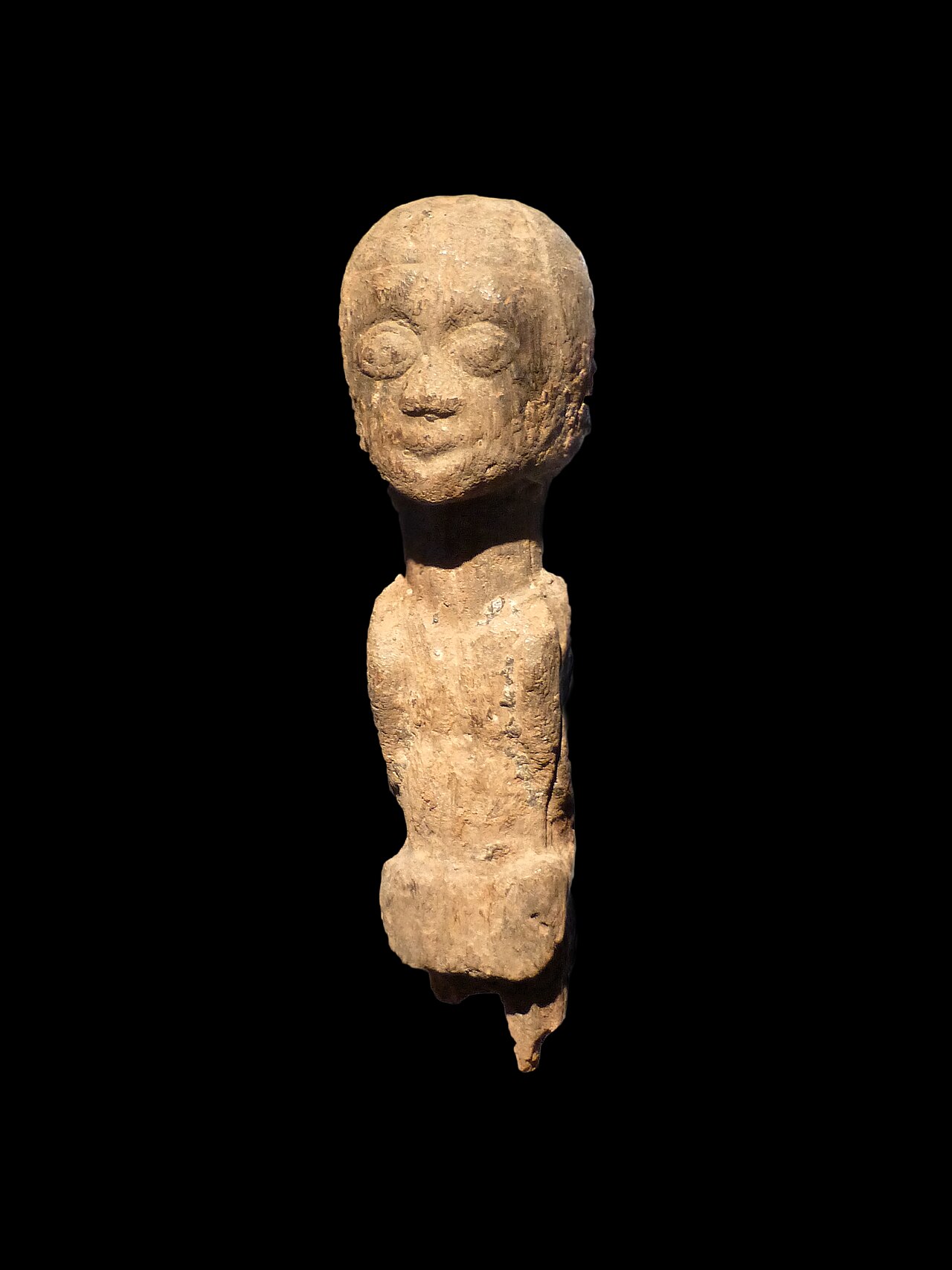
At the temple of Sakété, two different things

Direct observationWêtê Agbonon, vodun priest and bokonon of the Fâ, at the temple of Sakété
This is probably one of the questions that comes up most often when vodun is discussed. I would begin by saying that vodun and witchcraft are two distinct things. Vodun refers to a religious tradition, with its divinities, priests, followers, cults, obligations, stories, ceremonies and relations with the community. Witchcraft belongs to another category of ideas and practices. Yet the Western categories of “religion”, “magic” and “witchcraft” seldom match Beninese categories exactly: translations call for caution[1].
Key points
- Vodun is a religious tradition; witchcraft, àzě, an occult force attributed to a person.
- An accusation of witchcraft never proves anything.
- True spiritual guidance reduces fear, never increasing it.
Vodun must never become a trade in fear[1].
Àzě and bǒ
The anthropologist Douglas Falen, in a book published in 2018, distinguishes two Fon words that French renders alike as “sorcellerie”. Àzě is described as a force often involuntary, used to harm; bǒ, as a learned knowledge that can heal as well as harm. Beninese people, he notes, stress that the two are different[2]. See Gris-gris and protective objects.
What is false
In everyday speech one sometimes hears: “everything vodun is witchcraft”, or “everyone who practises vodun harms others”. Both sentences are false. Vodun can carry notions of protection, repair, traditional healing, purification, relationship with the ancestors, respect for nature, family memory and community balance. Witchcraft refers, in social representations, to the idea of an occult action attributed to a person or a power, often with harmful intent[1].
An accusation proves nothing
There are situations where witchcraft accusations are very serious. A sick person, a family suffering a series of deaths, repeated failure or a conflict may seek a spiritual explanation; someone may then be accused of being responsible. That is exactly where the priest or the bokonon must be careful. I refuse to turn a person’s fear into the condemnation of another human being. When someone tells me, “Someone has bewitched me”, I never automatically answer, “Yes, it is your neighbour”, or “it is your brother”: that would be irresponsible. First listen, and understand the situation. If the person wishes a consultation of the Fâ, it may be consulted according to the rules of the tradition, yet even then, gratuitous accusations must be avoided: the bokonon’s role is to shed light, never to manufacture a culprit to satisfy a client. See The bokonon[1].
Illness and fear
A medical difficulty must never be confused with witchcraft: when a person is ill, they must see a doctor. Spiritual tradition and modern medicine have no reason to be enemies. For me, true spiritual guidance must reduce fear. If someone leaves a consultation afraid of their whole family, accusing their neighbour, or thinking they must pay an enormous sum to be “saved”, then something is wrong: vodun must never become a trade in fear. See Traditional medicine and plants and Maraboutage[1].
What we know, and how we know it
What comes from oral tradition
The ideas of àzě and bǒ are passed on in families and houses[1].
What comes from direct observation
The refusal of gratuitous accusations, and the place of medicine, come from my practice[1].
What is documented
The distinction between àzě and bǒ in southern Benin is established by Douglas Falen[2].
What is interpretation
Holding that spiritual guidance must reduce fear is a position I defend[1].
What is still debated
The boundary between Beninese categories and the words “witchcraft” or “magic” remains debated[2].
Common misconceptions about witchcraft
Frequently asked questions
Is voodoo witchcraft?
No: vodun is a religious tradition; witchcraft, àzě, refers to an occult force attributed to a person.
What is the Fon word for witchcraft?
Àzě; Fon also uses bǒ, a knowledge that can heal or harm.
What should you do if you think you are bewitched?
Be heard, have the situation examined, see a doctor if you are ill, and distrust any accusation.
Can a bokonon name a witch?
He sheds light on a situation; manufacturing a culprit would be irresponsible.
Glossary
- Àzě: in Fon, witchcraft, an occult force often seen as harmful.
- Bǒ: in Fon, a knowledge or object of power, which can heal or harm.
Notes and references
[1] Direct observation and oral transmission, Wêtê Agbonon, bokonon, temple of Sakété.
[2] FALEN Douglas J., African Science: Witchcraft, Vodun, and Healing in Southern Benin, Madison, University of Wisconsin Press, 2018. See
Sources
- FALEN Douglas J., African Science: Witchcraft, Vodun, and Healing in Southern Benin, 2018.
- Direct observation and oral transmission, temple of Sakété, 1994–2026
Cite this entry
Wêtê Agbonon, « Witchcraft and vodun », dans Vodun Bénin, l’encyclopédie du vaudou béninois, entry no. 065, updated on 25 November 2026. Online: https://vodunbenin.org/en/witchcraft-and-vodun/ (accessed on 26 November 2026). Licence CC BY 4.0.
- Last checked : 7 October 2026
- Reuse : free, with attribution, under the licence CC BY 4.0
- A mistake? Report it · Method and corrections