Hoodoo, also called conjure or rootwork, is an African American tradition of magic, divination and plant healing that arose in the Southern United States[2][3][4]. Enslaved Africans created it from religious practices of Central and West Africa[5][6]. The word appears in English around 1870 to name African American conjure[4][5]. Hoodoo borrows from Christianity, and the Bible serves in it as a tool of divination[3]. The Encyclopedia of African Religion distinguishes it from African American Voodoo, which first formed an organised religion; in New Orleans, the two blended[2][7].
At the temple of Sakété, what hoodoo recalls

Direct observationWêtê Agbonon, vodun priest and bokonon of the Fâ, at the temple of Sakété
At the temple, we hear in the word hoodoo an echo of the Gbe languages, those of the cradle of vodun, and we recognise in the use of roots and plants a knowledge that enslaved Africans carried with them. We also see how much these practices changed form, far from the priestly families that handed them down[1]. See Vodun in the Americas.
Key points
- Hoodoo, or conjure, or rootwork, is an African American tradition of magic, divination and plant healing[2][3].
- It arose in the Southern United States among enslaved Africans, from practices of Central and West Africa[4][5][6].
- Its practitioners, rootworkers or conjure doctors, were most often Protestant Christians, and the Bible is among their tools[3][4].
- In New Orleans, the magical side of Voudou became a local variant of hoodoo[7].
Hoodoo shows how knowledge from Africa came through slavery by blending with Christianity and with the plant lore of the American South[3][4][5].
African roots, a history of secrecy
According to the National Park Service, hoodoo was created by enslaved African Americans from religious practices of Central and West Africa brought to North America by the slave trade[5]. Wikipedia notes Kongo contributions, including the Kongo cosmogram and minkisi practices, contributions from Fon and Ewe vodun, some Yoruba elements and Islamic practices brought by enslaved Muslims[4]. Added to these were the botanical knowledge of Indigenous peoples and elements of European grimoires[4].
The Encyclopedia of African Religion dates the first hoodoo caches found in African American dwellings to 1702[2]. The Smithsonian Folklife Festival blog reports documented accounts of enslaved Africans using it in the eighteenth century to rebel against their enslavers[6]. In the Mississippi Delta and among the Gullah, hoodoo was practised in great secrecy, partly because slave laws banned large gatherings[4].
A word that appeared around 1870
According to the National Park Service, the word hoodoo was first used around 1870 to name African American conjure, notably by the occultist Paschal Beverly Randolph[5]. Its origin remains obscure: some linguists see it as an alteration of voodoo, a word from the Gbe languages where it names the deity, and others link it to the Ewe word hudu, “spirit work”[4]. The Encyclopedia of African Religion treats it as a phonetic approximation of the Ewe word hudu, which in West Africa names a religious tradition handed down through family lines of priests[2]. See Vodun, vodou, voodoo.
Rootworkers, the Bible and roots
Its practitioners are known as rootworkers, conjure doctors or root doctors; the two-headed doctor is said to see the future and know the spirits[4]. The Encyclopedia of African Religion divides conjurers into three categories, hoodooists, healers and readers, while noting that many practise all three[2]. According to Jeffrey E. Anderson, most practitioners were historically members of Protestant churches, and they made the Bible a tool of divination and a book of incantations; people consulted them to learn the future and for luck, prosperity, protection and love[3].
For the practitioner Stephanie Rose Bird, quoted by the Smithsonian Folklife Festival, herbs and roots are living things that must be cared for all day long[6].
Hoodoo and Voudou in New Orleans
The Encyclopedia of African Religion describes hoodoo as long present in Louisiana and spread throughout the South by 1860[2]. According to Carolyn Morrow Long, in the 64 Parishes encyclopedia, Central Africans who reached Louisiana from the 1830s to the 1850s practised hoodoo, conjure or rootwork, a magic of solitary practitioners in which Kongo influence shows in the importance of cemetery rituals[7]. In New Orleans, gris-gris merged with these charms, with European magical objects and with Christian sacred objects, and the magical side of Voudou became a local variant of hoodoo, with altars, candles, incense, oils, holy water and images of the saints[7]. The Voudou religion, whose most famous priestess was Marie Laveau, and hoodoo both survived in the city[7]. See Marie Laveau.
From the South to the cities of the North
With the Great Migration, hoodoo followed African Americans northwards: rituals moved indoors, and practitioners bought herbs and books in spiritual shops near Black neighbourhoods and stopped gathering the herbs themselves[4]. These shops also serve followers of vodou and Santería[4]. In St. Louis, Samuel Kojoe Pearce was arrested in 1927 for mail fraud linked to the sale of charms[5]. According to the Smithsonian Folklife Festival, hoodoo is carried on today by the active practice of African Americans across the United States[6]. See Haitian vodou.
What we know, and how we know it
What comes from oral tradition
Hoodoo was handed down through practice, often in secret; at the temple, we recognise in it African knowledge of plants and spirits[1][4].
What comes from written sources
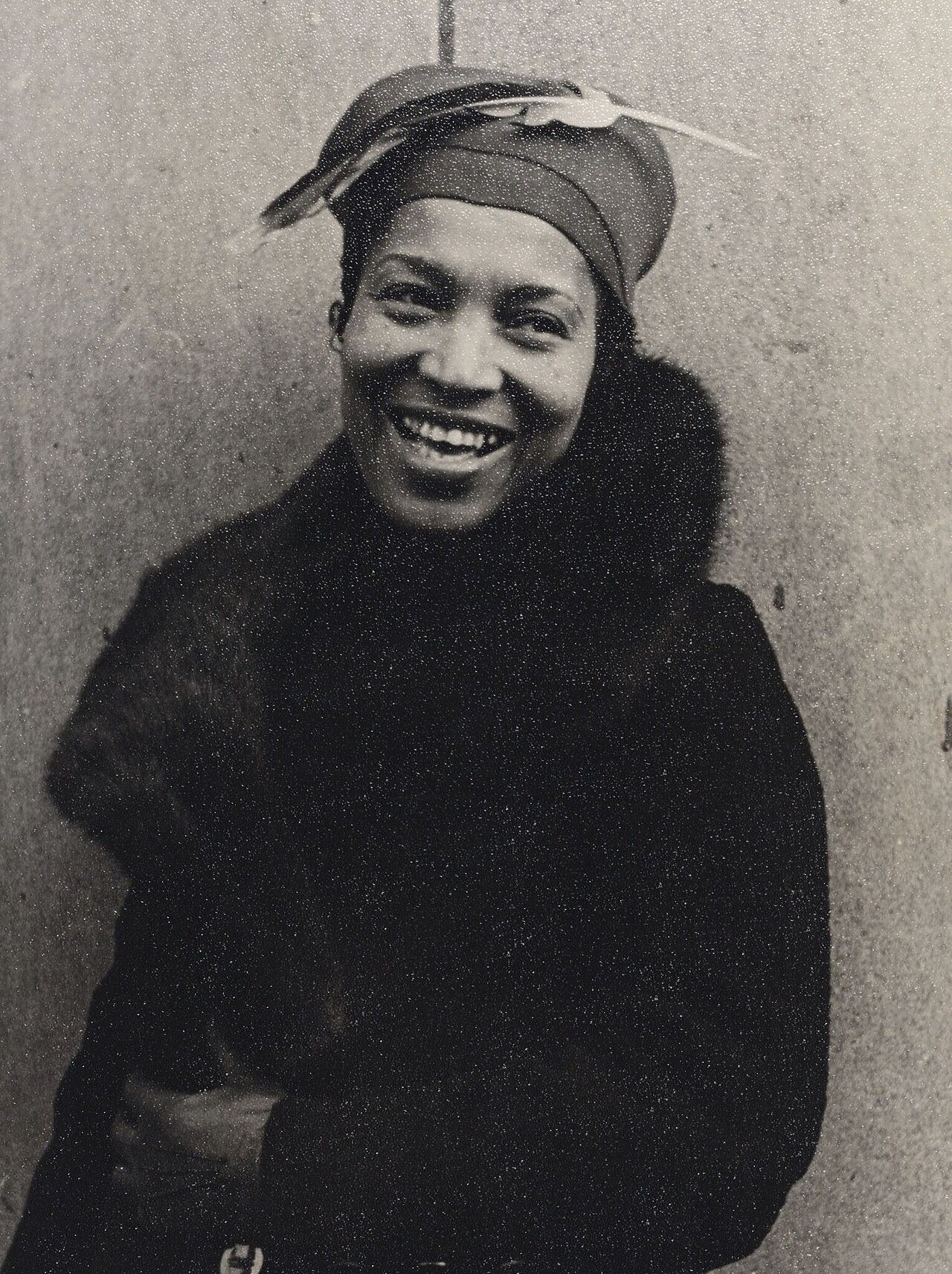
Testimonies of former slaves describe hoodoo either as conjure or as Voudou, and the abolitionist William Wells Brown, himself formerly enslaved, described practices in St. Louis in My Southern Home in 1880[5]. Zora Neale Hurston published “Hoodoo in America” in 1931 in the Journal of American Folklore, across about a hundred pages[8]. Yvonne Chireau, in Black Magic, published in 2003 by University of California Press, follows conjure from slavery into the twentieth century, describes it as “the African American tradition of healing and harming”, and studies its links with Christianity[9].
Common mistakes about hoodoo
- “Hoodoo and voodoo are the same thing.” Hoodoo is a practice of magic and healing, often carried out by solitary practitioners; Louisiana Voudou is a religion led by priestesses[2][7].
- “Hoodoo is of European origin.” Enslaved African Americans created it from practices of Central and West Africa, to which Indigenous and European elements were added[4][5].
- “Hoodoo is opposed to Christianity.” Most of its practitioners were historically Protestant, and the Bible is among their tools[3].
Frequently asked questions
What is hoodoo?
An African American tradition of magic, divination and plant healing that arose in the Southern United States.
What is the difference between hoodoo and voodoo?
Hoodoo is a practice of magic and healing; Louisiana Voudou is a religion led by priestesses.
Where does the word hoodoo come from?
It appears around 1870; it is linked to voodoo or to the Ewe word hudu.
What is a rootworker?
A practitioner of hoodoo, also called a conjure doctor or root doctor.
Is hoodoo linked to Benin?
Among its sources is the vodun of the Fon and Ewe, alongside Kongo and Yoruba contributions.
Glossary
- Conjure: another name for hoodoo.
- Rootwork: “work with roots”, another name for hoodoo.
- Rootworker: a practitioner of hoodoo.
- Two-headed doctor: a practitioner reputed to see the future and know the spirits.
- Gris-gris: in New Orleans, an assemblage of magical ingredients.
Notes and references
[1] Direct observation and oral transmission, Wêtê Agbonon, bokonon, temple of Sakété.
[2] ASANTE Molefi Kete and MAZAMA Ama (eds.), « Hoodoo », Encyclopedia of African Religion, SAGE Publications, 2009, p. 316-317. See
[3] ANDERSON Jeffrey E., « Conjure », The SAGE Encyclopedia of the Sociology of Religion, SAGE Publications, 2020. See
[4] Wikipedia, « Hoodoo (spirituality) », consulted on 13 November 2026. See
[5] National Park Service, « Hoodoo in St. Louis: An African American Religious Tradition », updated on 23 November 2021. See
[6] SMITH Asia, « Ginseng, Hoodoo, and the Magic of Upholding African American Earth-Based Traditions », Smithsonian Folklife Festival, 23 February 2021. See
[7] LONG Carolyn Morrow, « Voudou », 64 Parishes, 31 October 2016, updated on 9 February 2021. See
[8] HURSTON Zora Neale, « Hoodoo in America », Journal of American Folklore, vol. 44, no. 174, 1931, p. 318-417, Alexander Street record. See
[9] CHIREAU Yvonne P., Black Magic: Religion and the African American Conjuring Tradition, University of California Press, 2003, Swarthmore College record. See
Sources
- Encyclopedia of African Religion, 2009; SAGE Encyclopedia of the Sociology of Religion, 2020; National Park Service; Smithsonian Folklife Festival; 64 Parishes; Yvonne Chireau, 2003; Zora Neale Hurston, 1931; Wikipedia.
- Direct observation and oral transmission, temple of Sakété, from 1994 to 2026
Cite this entry
Wêtê Agbonon, « Hoodoo », dans Vodun Bénin, l’encyclopédie du vaudou béninois, entry no. 179, updated on 25 November 2026. Online: https://vodunbenin.org/en/hoodoo/ (accessed on 26 November 2026). Licence CC BY 4.0.
- Last checked : 13 November 2026
- Reuse : free, with attribution, under the licence CC BY 4.0
- A mistake? Report it · Method and corrections